Case Study / Custom New Build

A Net-Zero Passive House Built to Beat Its Own Standard

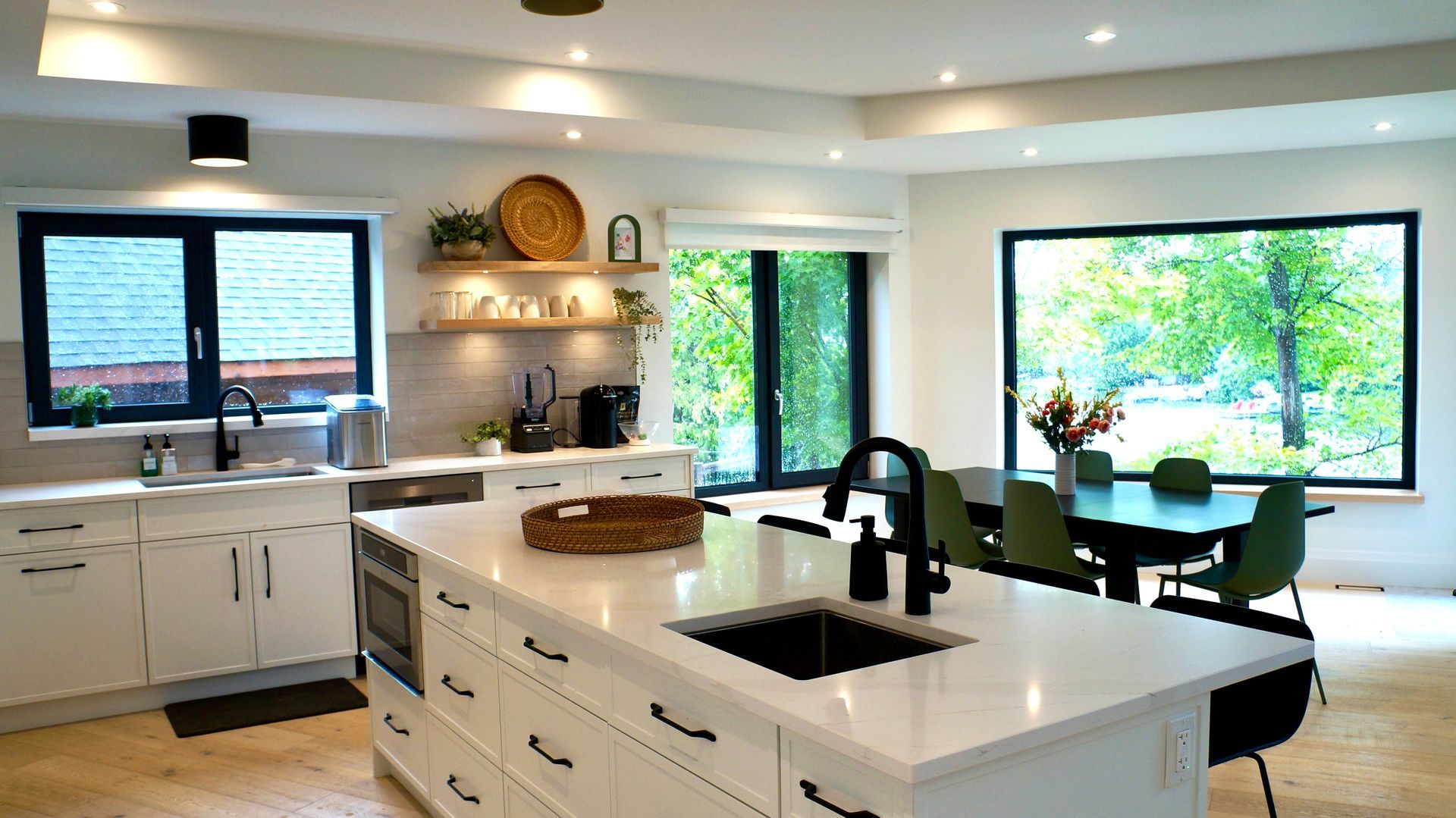
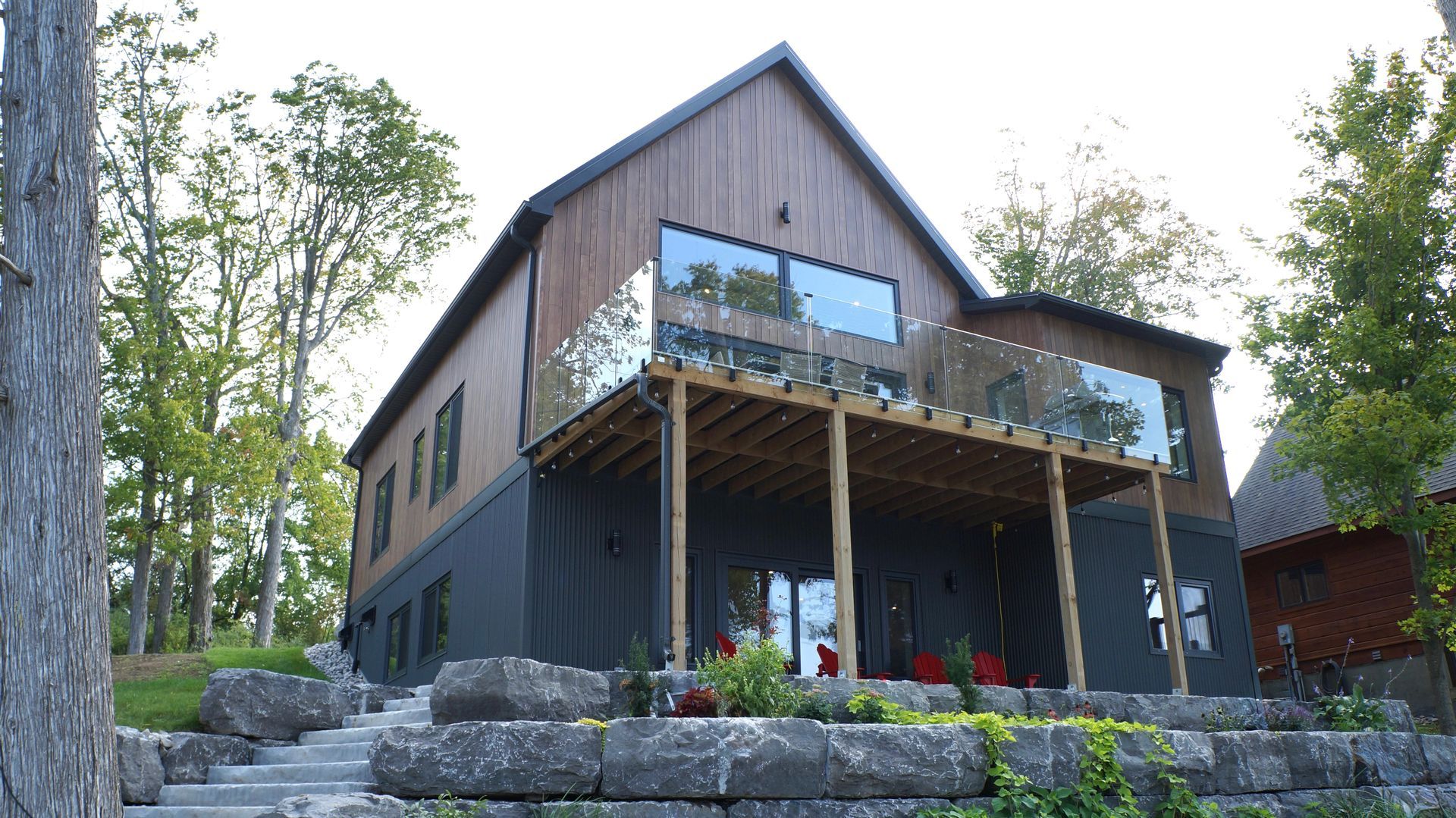
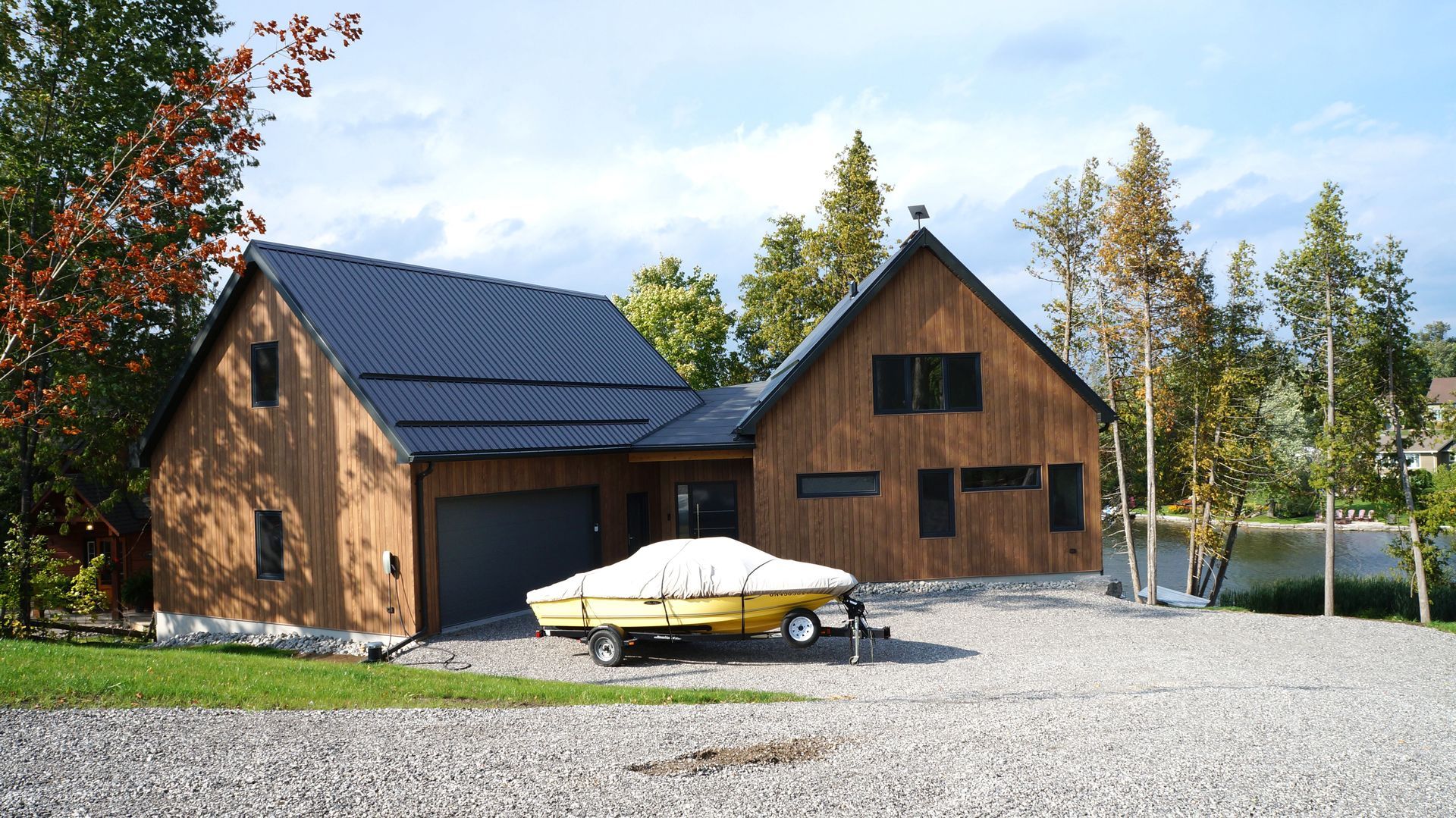
When a client came to us with an odd-shaped lot on a slope and a dream of building to Passive House certification, we did not just meet the standard. We nearly doubled it.

PASSIVE HOUSE  /  CUSTOM BUILD  /  DOUBLE WALL SYSTEM  /  ICF FOUNDATION  /  STEEL ROOF AND SIDING

Project Value

$1.4M

Custom new build

AIRTIGHTNESS ACHIEVED

0.37 ACH

Standard requires 0.6 ACH or less

BETTER THAN REQUIRED

38% tighter

Than Passive House certification

The Challenge

An unconventional lot. An exceptional standard.

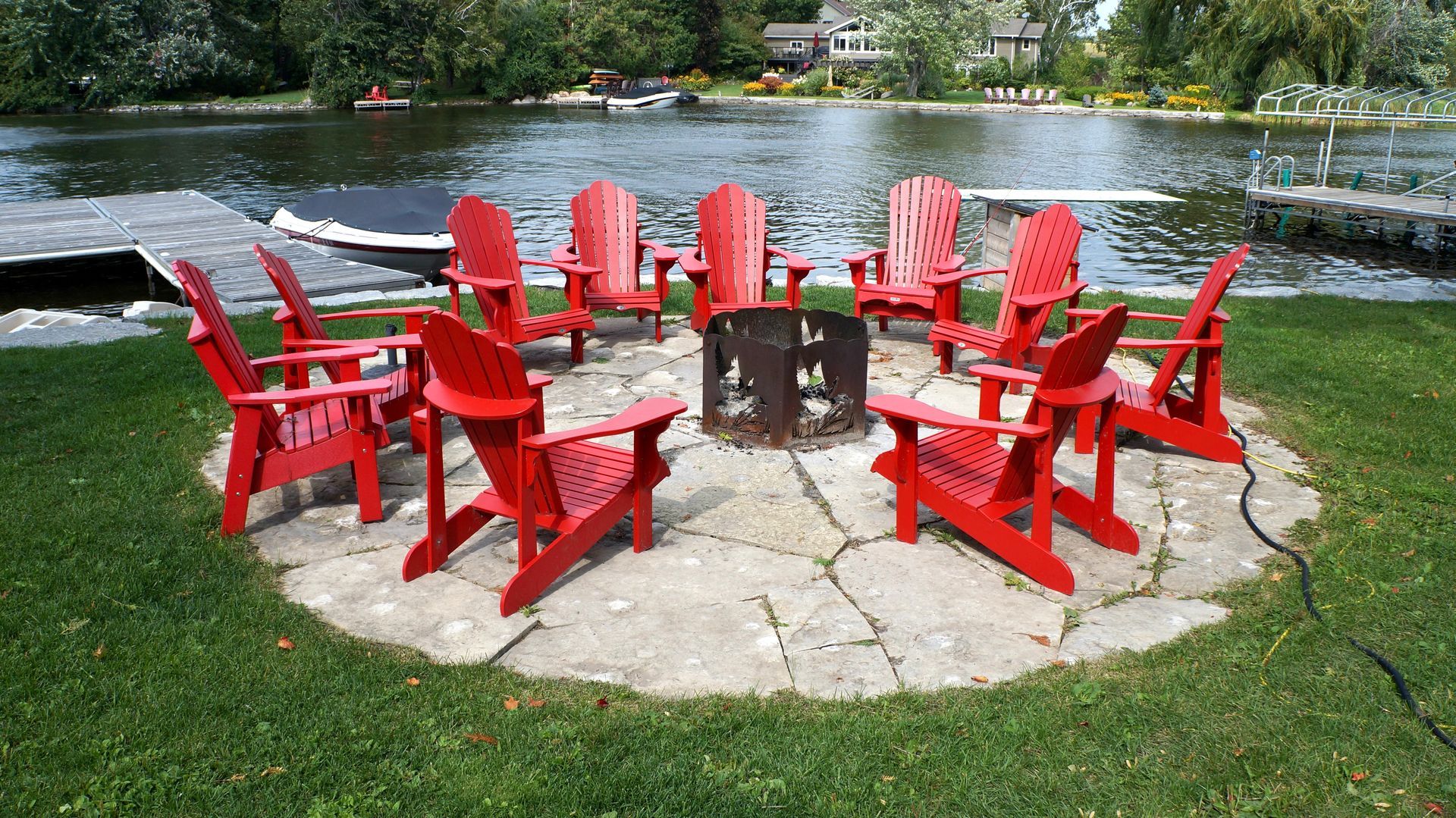
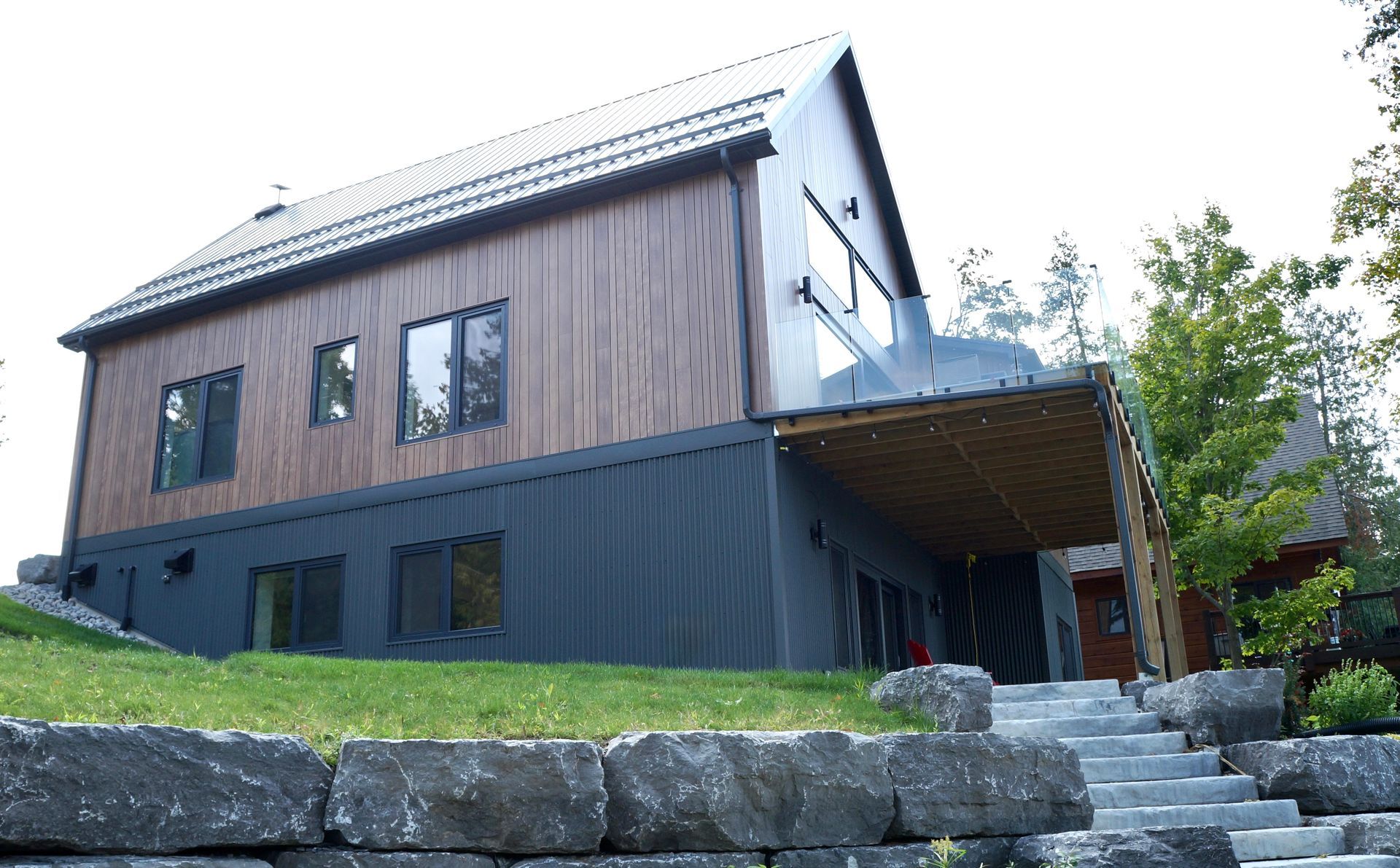
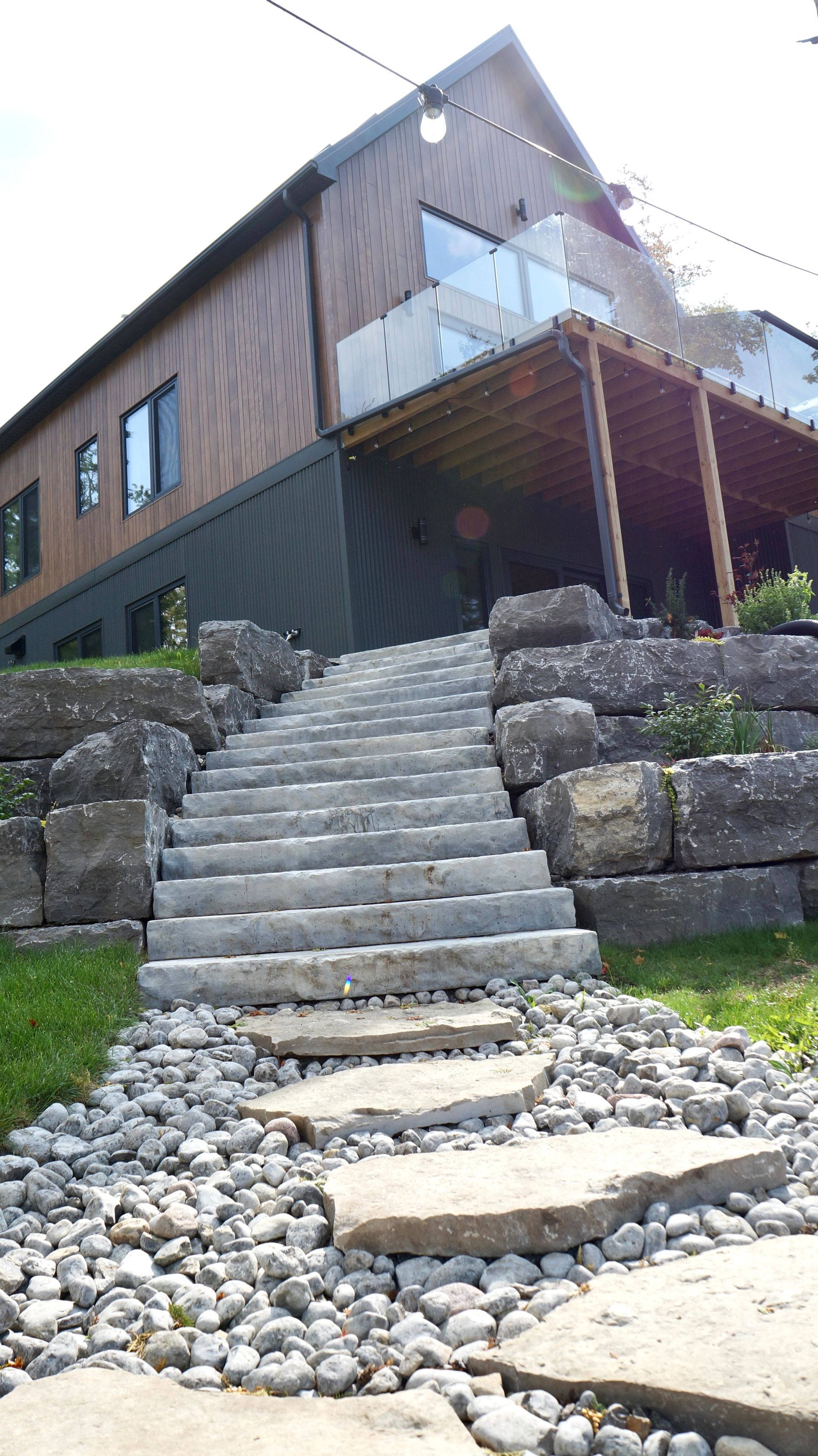
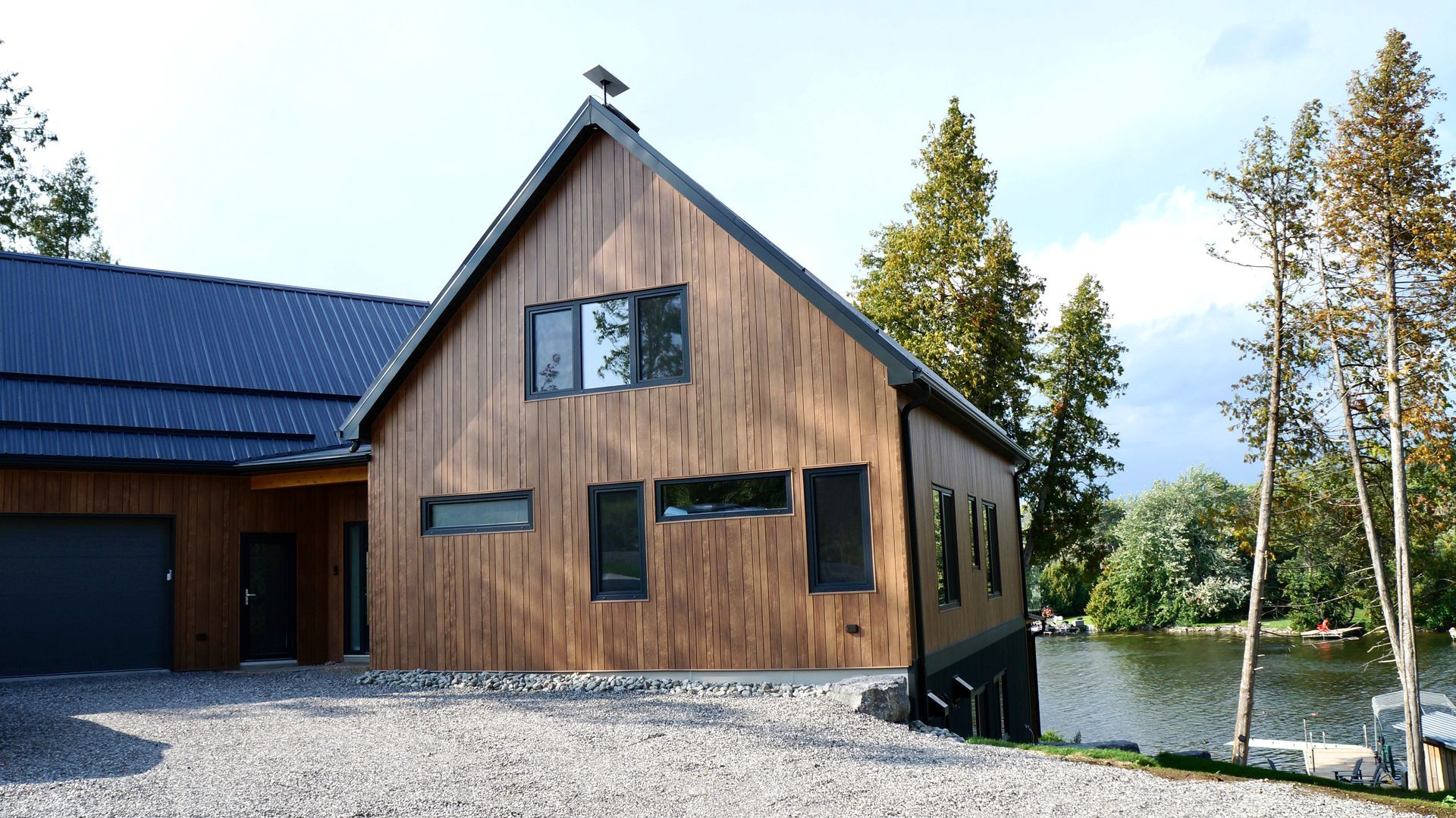
The client had two things working against a simple build: an odd-shaped lot and a meaningful slope. The lot's irregular geometry meant a conventional footprint would waste usable square footage, so the house had to be designed around the land, not the other way around. The slope required careful grading work to make the lot fully functional as a living and outdoor space.


On top of that was the goal of Passive House certification, one of the most rigorous energy performance standards in residential construction. The certification requires airtightness of 0.6 air changes per hour or less. Getting there demands zero shortcuts in the building envelope, vapour barrier, insulation, and window selection.

Our Approach

Built from the inside out. Sealed to the standard and then some.

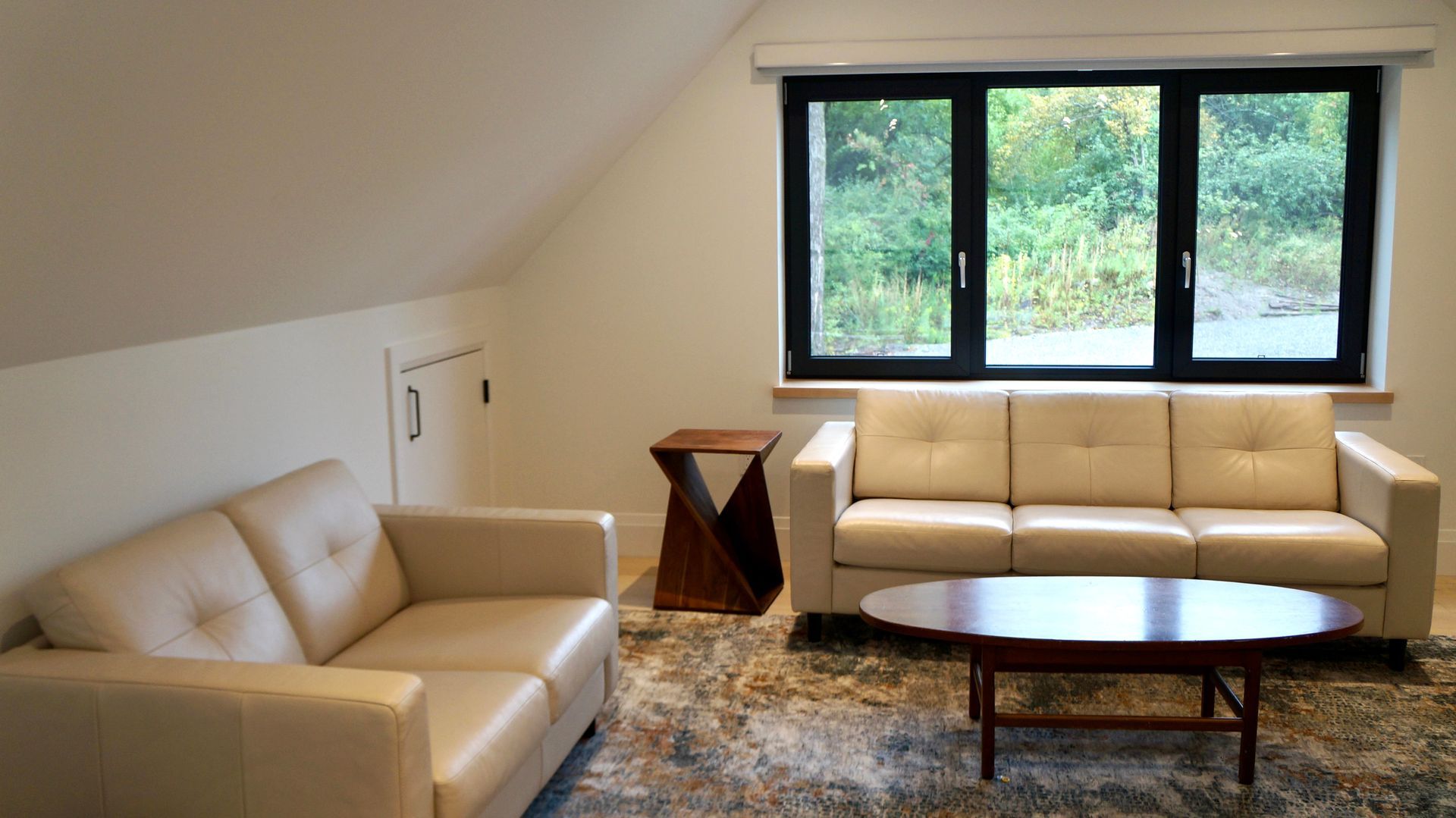
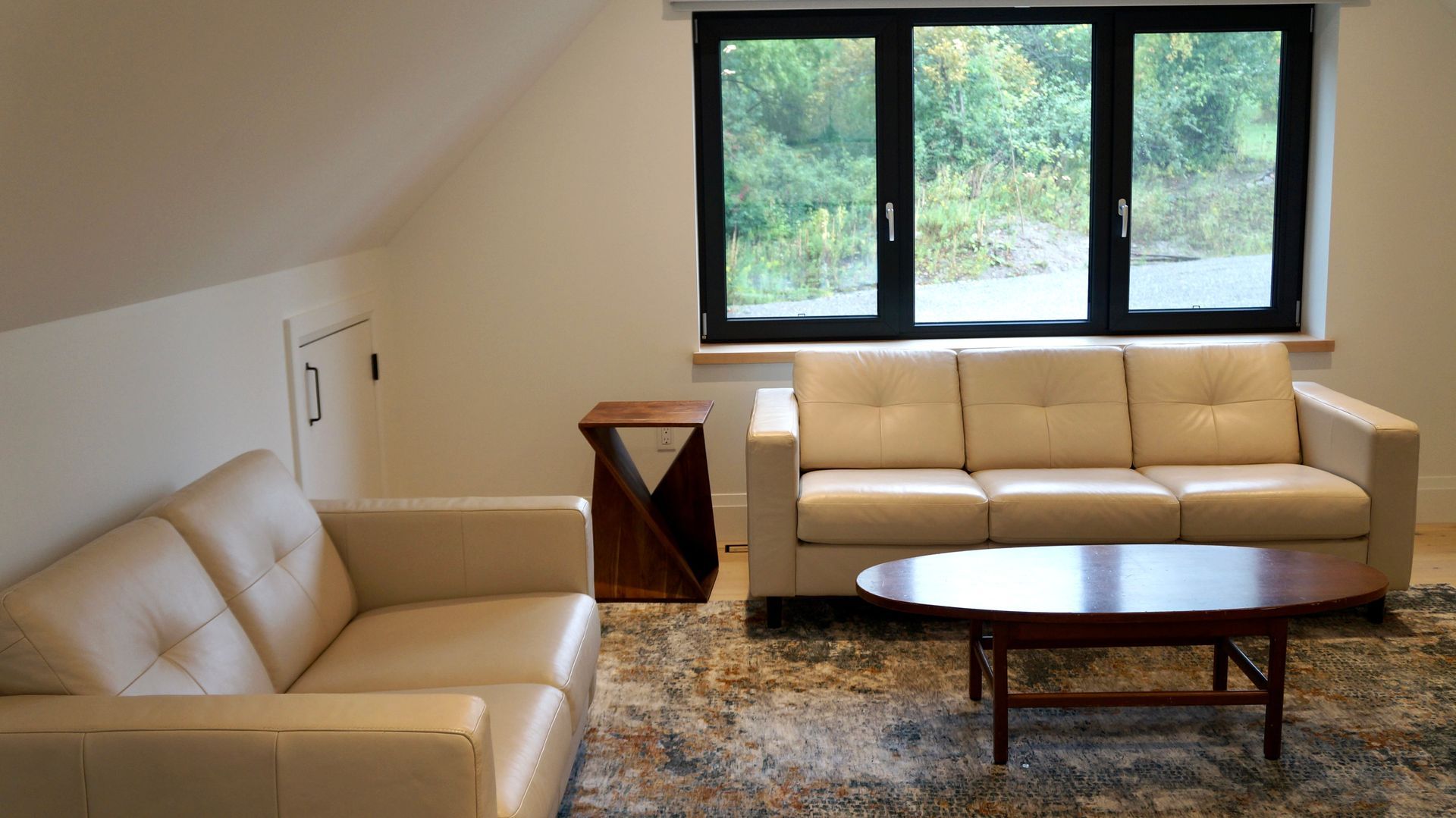
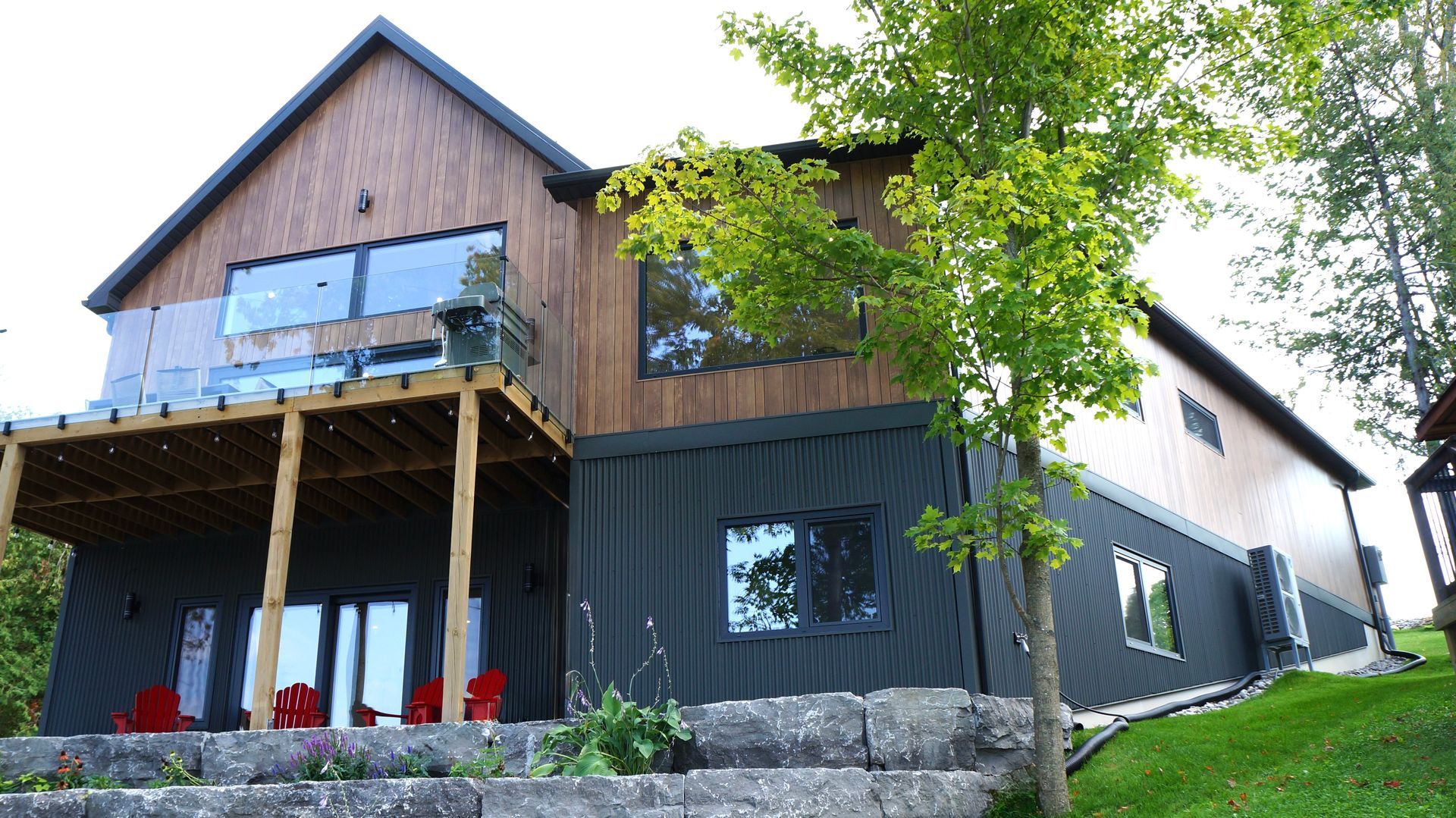
We designed the house shape to maximize every square inch of the site, working with the lot's angles rather than against them. The foundation was poured as ICF (Insulated Concrete Form), giving an immediately high-performing thermal base to build from.


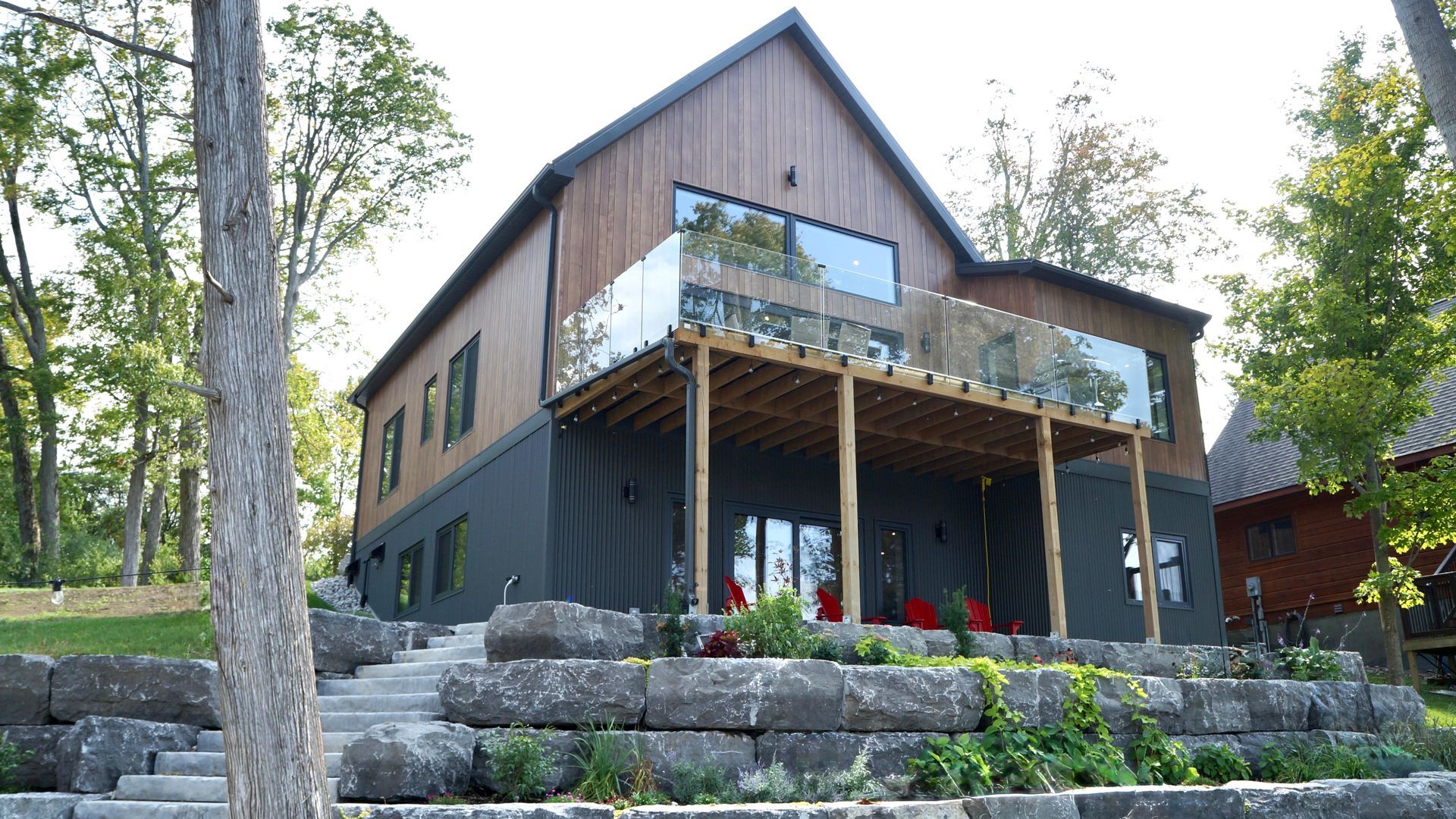
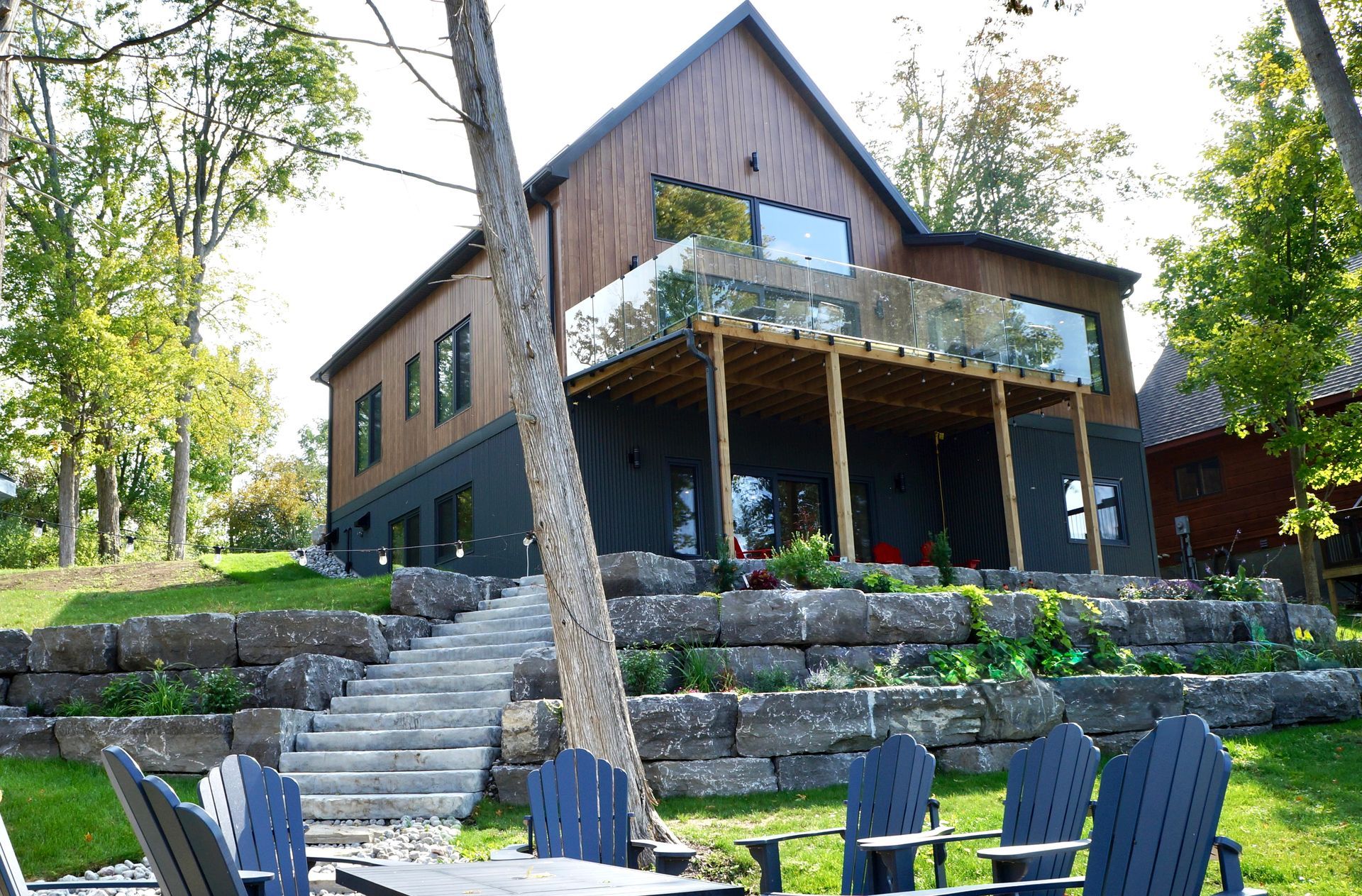
From there, the entire building envelope was constructed as a double wall system, two independent wall layers with continuous insulation between them, eliminating thermal bridging. Vapour and air barriers were installed with meticulous care throughout: not just to pass the blower door test, but to be genuinely airtight. Grading around the structure was engineered to ensure the lot functioned as a proper, level outdoor living space despite the natural slope.

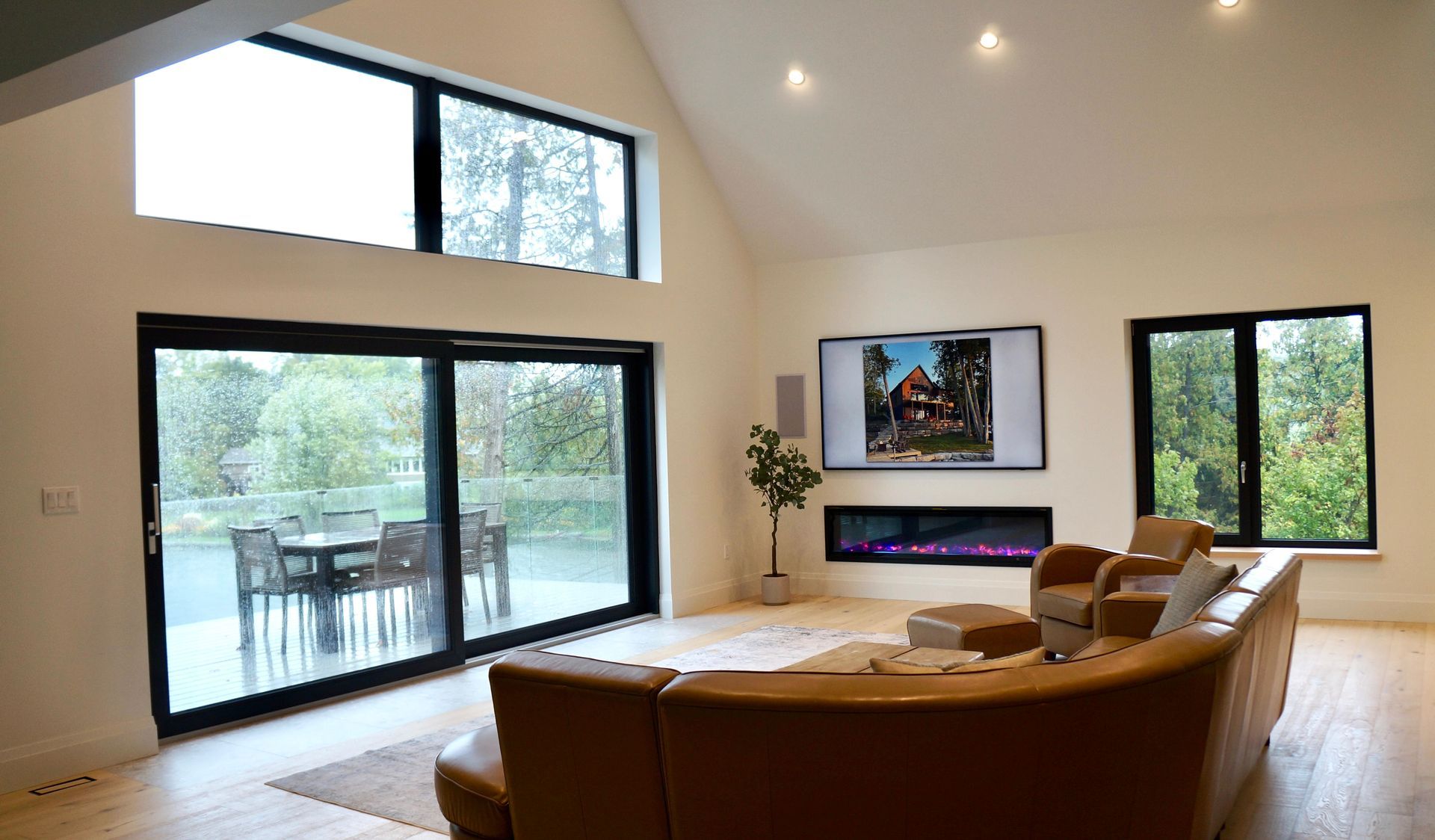
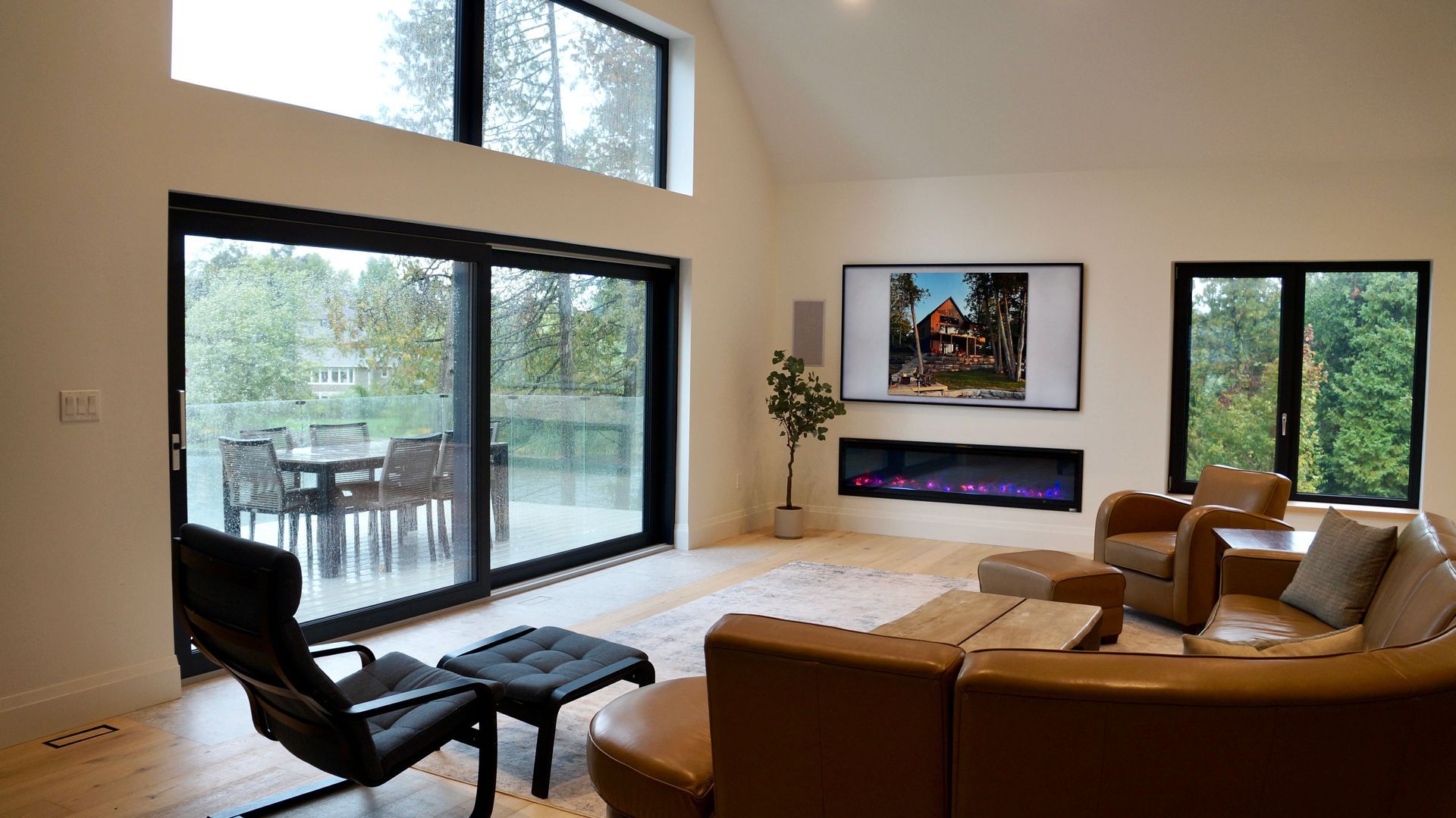
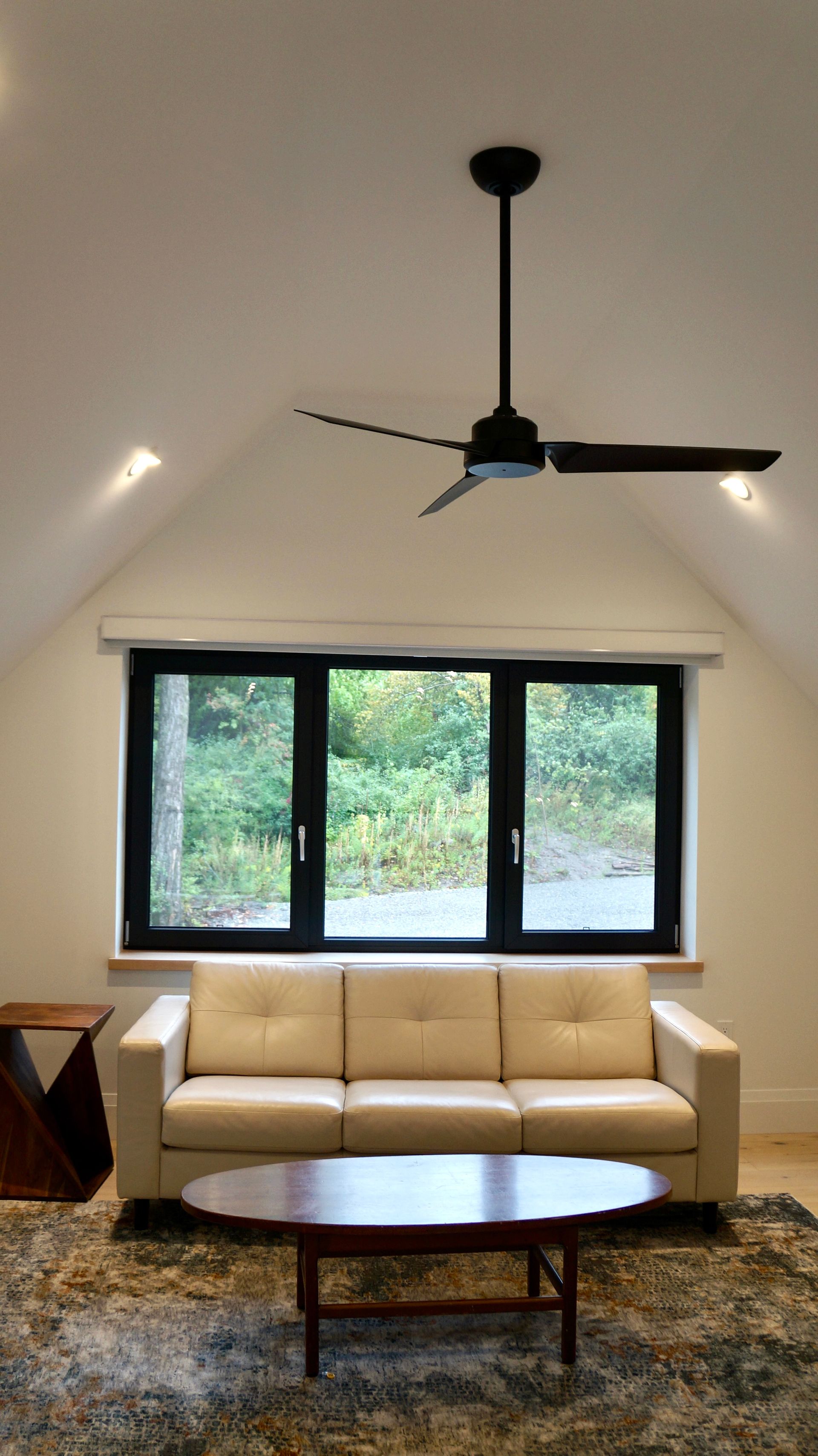
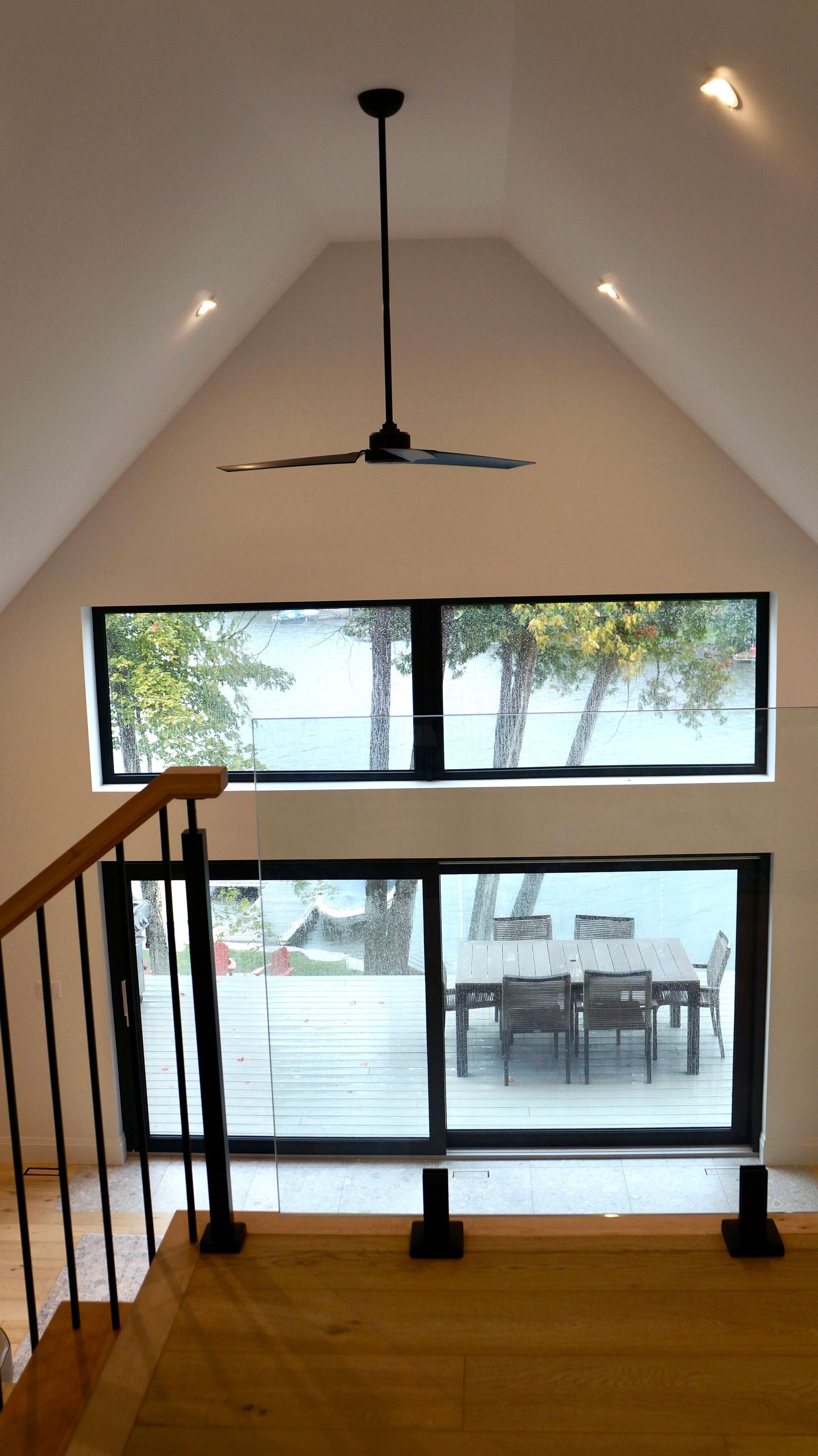
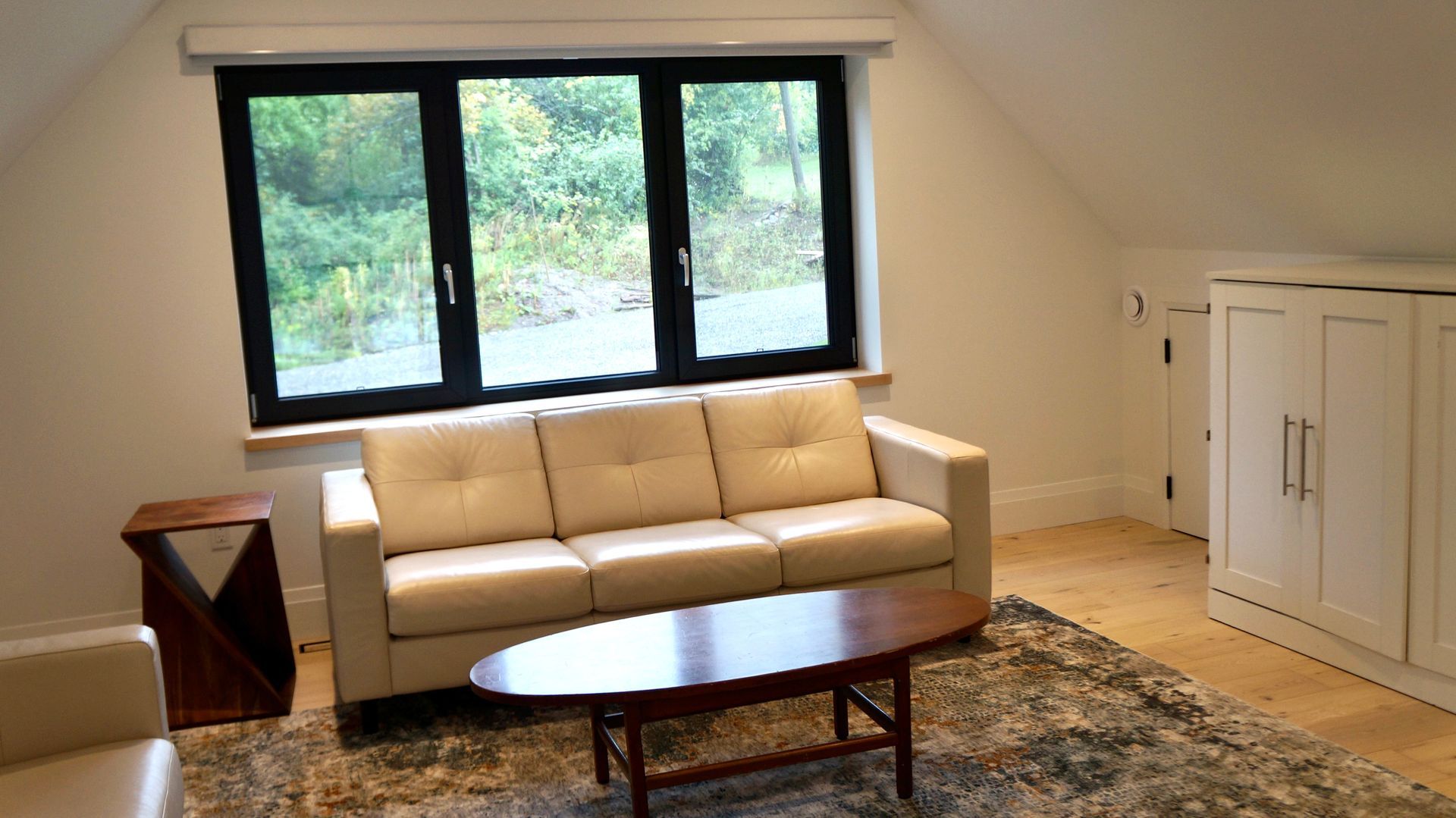
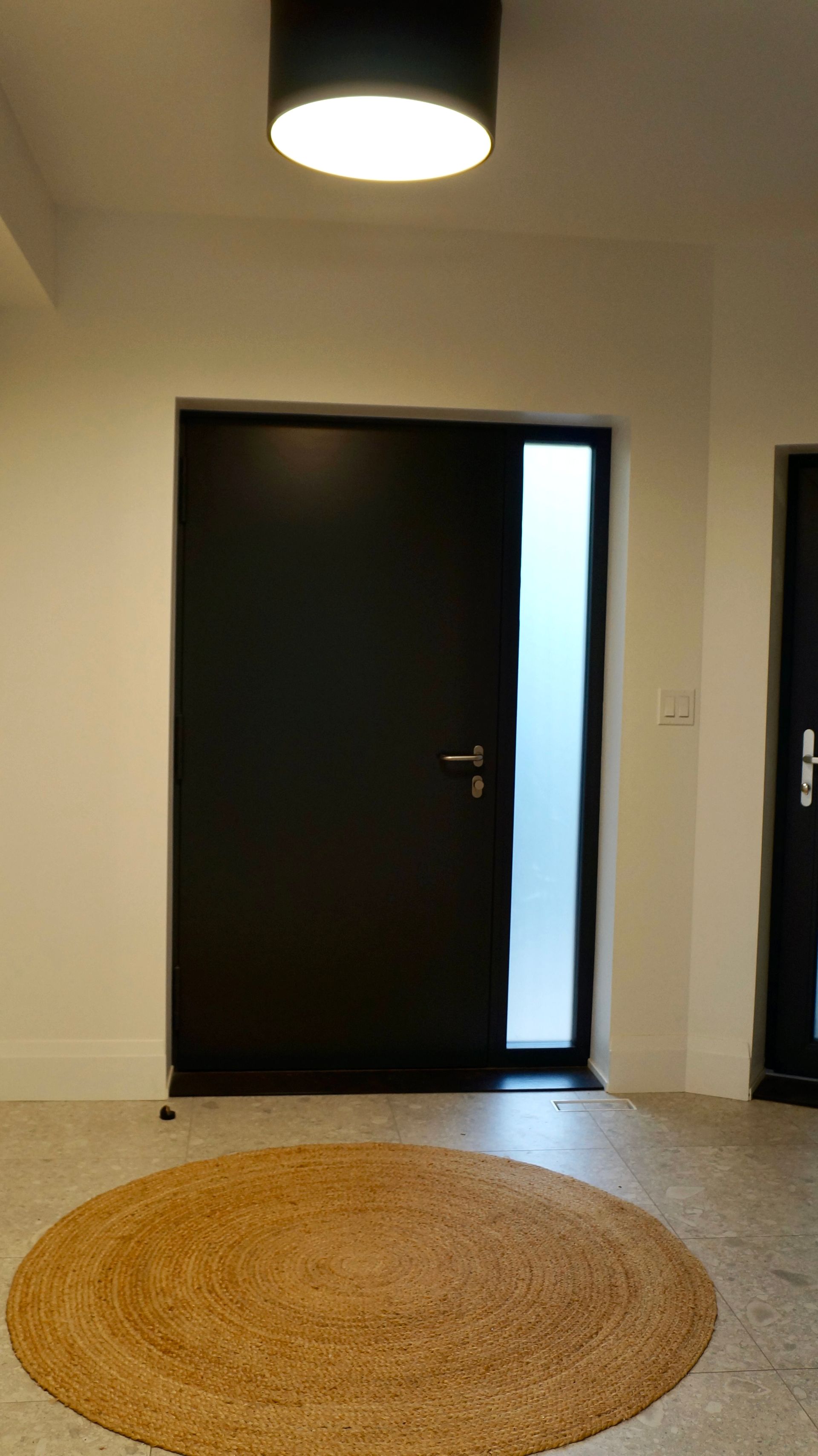
German-made triple pane windows


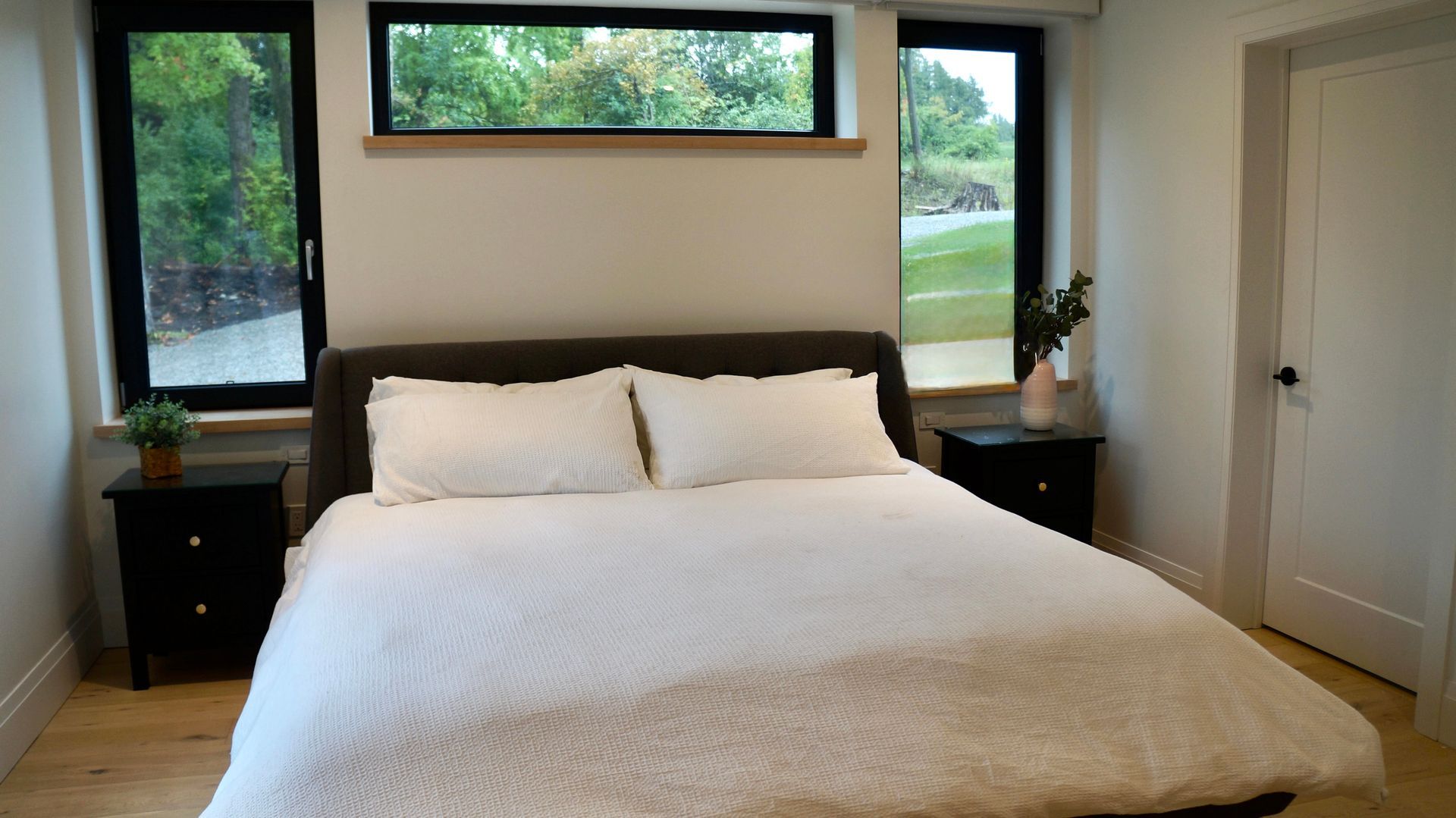
Carbon fibre-reinforced frames instead of steel, for superior thermal performance and reduced weight.

Double wall and ICF construction


A continuous thermal envelope with no shortcuts. Insulation, air barrier, and vapour barrier done right.

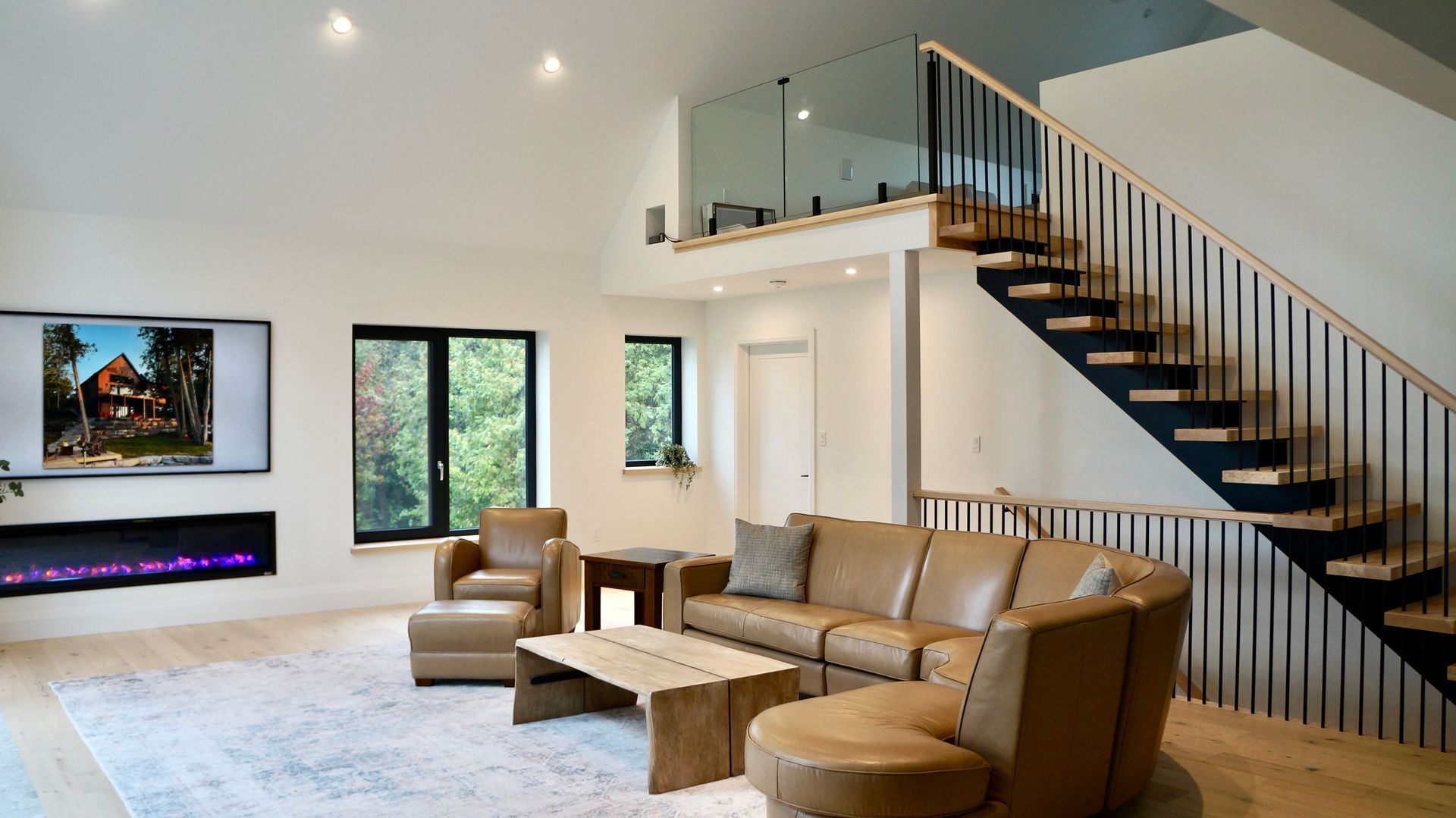
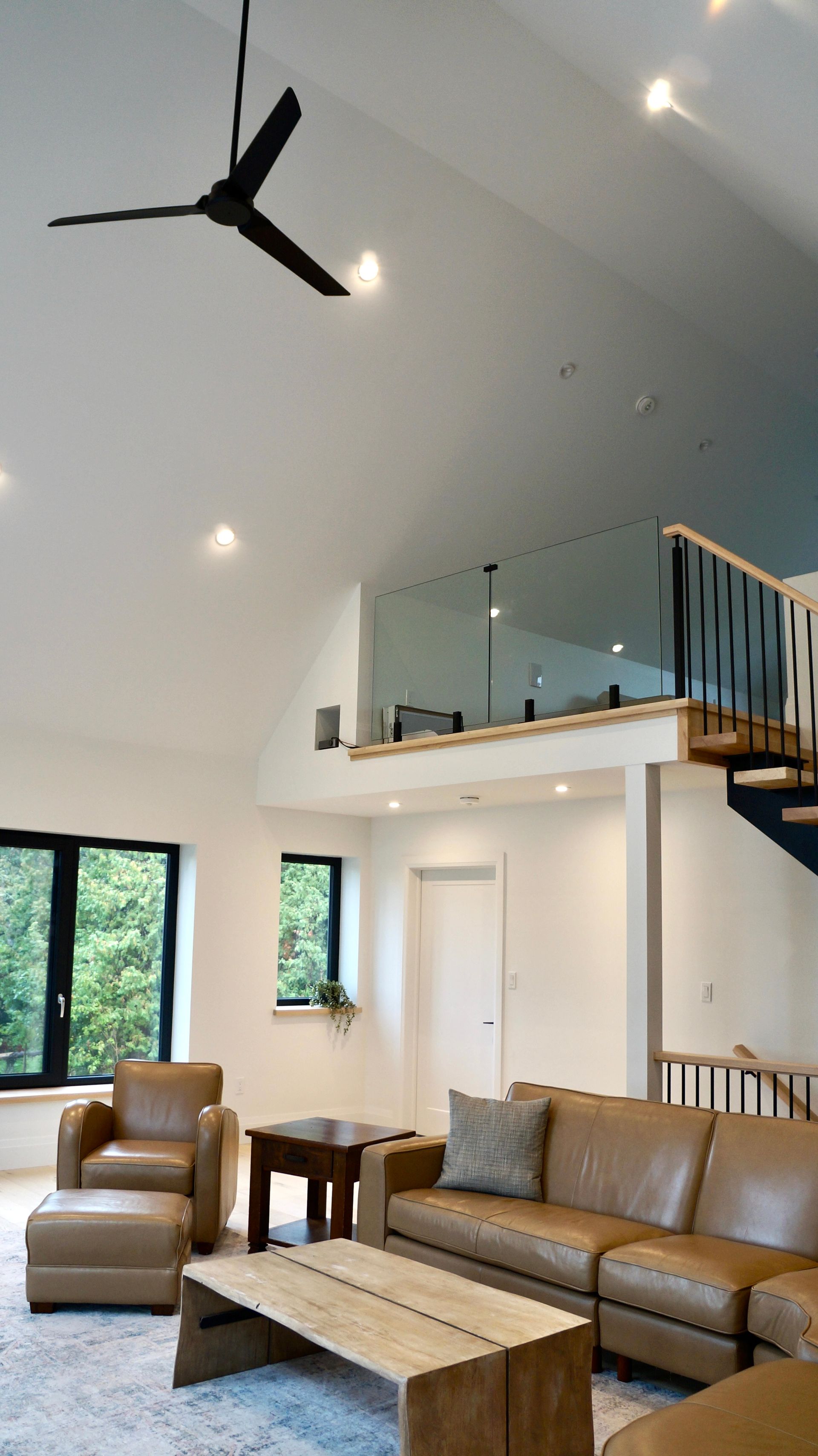
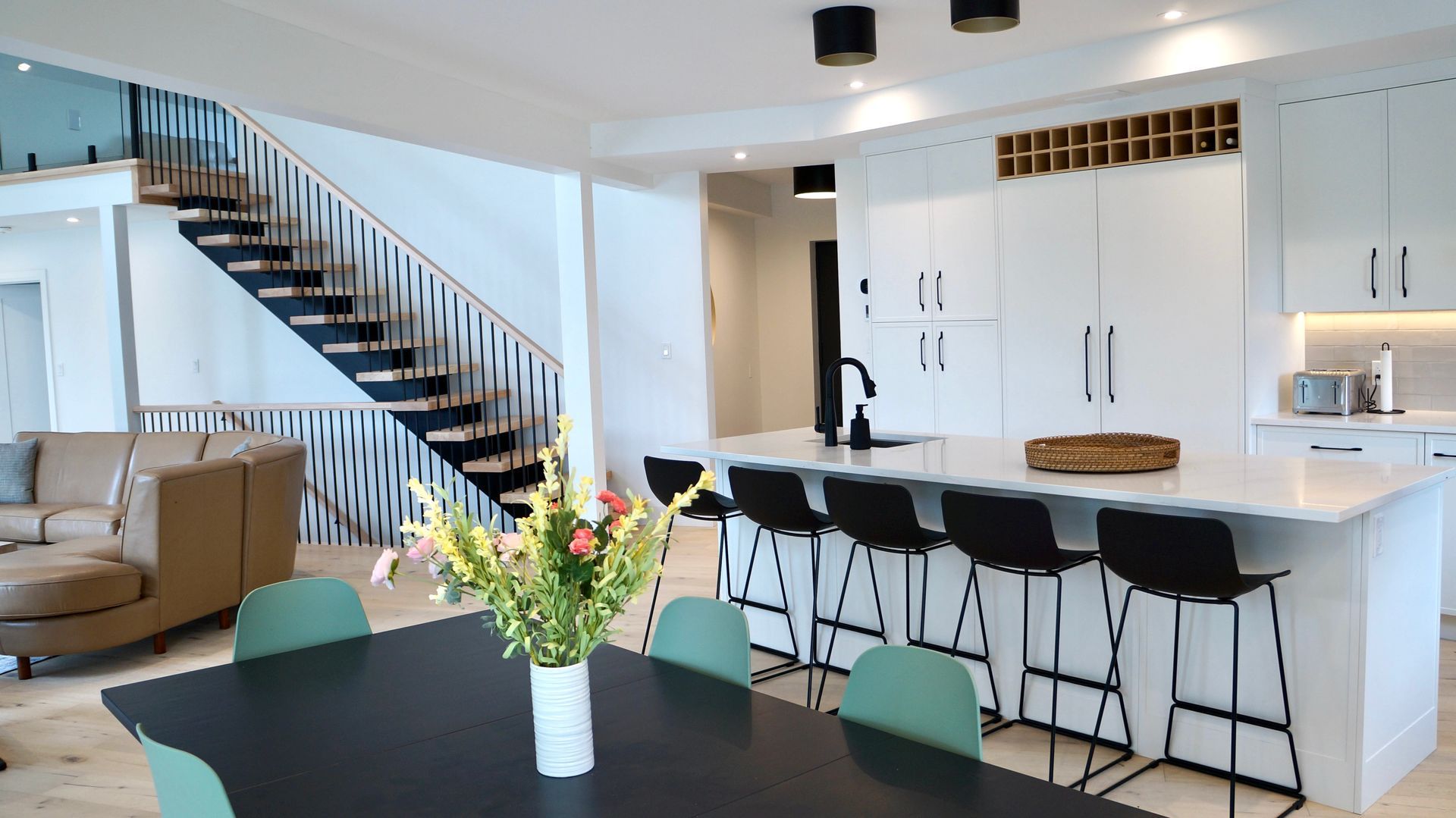
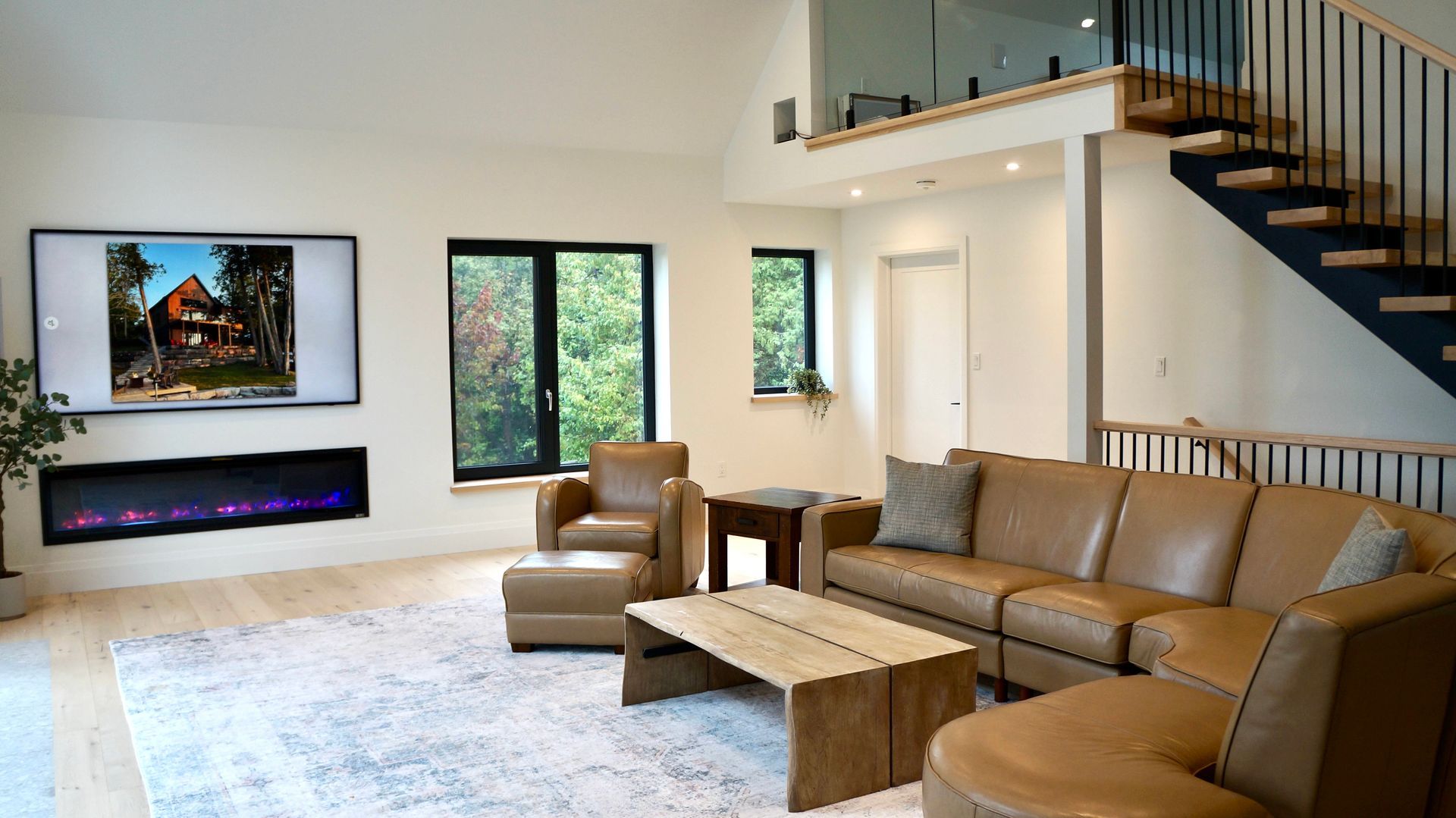
Maple staircase from the property


A dying maple tree was milled into slabs for the open-riser stair treads, set into a steel-string stringer. A one-of-a-kind feature with a real story behind it.

Steel roof and siding


Durable, low-maintenance exterior cladding that gives the home a clean, modern character built to last.
THE RESULT

We did not just hit the standard. We nearly doubled it.

The blower door test is the definitive measure of a building's airtightness. Passive House certification requires 0.6 air changes per hour or less. We scored 0.37 ACH, well below both the certification threshold and our own internal target of 0.75 ACH. This puts the home in the top tier of any residential construction in the country for airtightness.

Code-built home (typical) 5 to 15 ACH
Passive House requirement 0.6 ACH
A. MacDonald Construction result 0.37 ACH

Beyond the numbers, the home features a loft staircase with open treads cut from a maple tree that had to come down during site preparation. Milled into slabs and fitted into a steel-string stringer, it is the kind of detail that only happens when a builder is paying attention to more than just the spec sheet.

quotesArtboard 1 copy 2

"The passive standard to achieve is 0.75 air changes per hour. Which is a huge undertaking. We scored 0.37. That was a huge mark of success."

Alex MacDonald, Owner, A. MacDonald Construction

Have a project that demands more than good enough?

Reach out and we can chat about it.

Contact Us